Older women may benefit from osteoporosis medication, despite comorbidities
By
Alicia Lasek
Jun 18, 2019
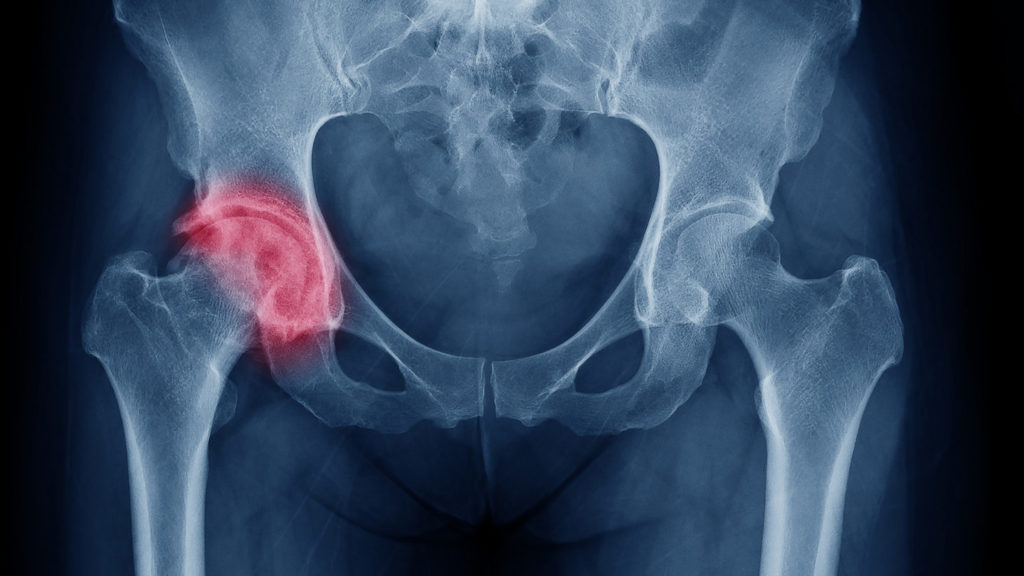
Women aged 80 and older with osteoporosis, comorbidities and a poor prognosis are those most likely in need of drug treatment to prevent hip fractures, a study says.
Understanding vertebral compression fractures caused by osteoporosis
By
Michael C. Connolly, M.D.
Sep 19, 2016
There is now help for patients with VCF, which has been shown in clinical studies to provide pain relief quickly
Milk, yogurt best for bone health: study
By
Elizabeth Newman
Mar 02, 2013
Cream is not as effective as milk or yogurt in promoting bone health and combating osteoporosis, according to researchers. Low bone-density puts the elderly at an increased risk for osteoporosis and fractures...
Rethink frequency of bone density tests, investigators advise
Jan 20, 2012
Frequent bone density tests for senior women may not be needed, according to a new study.
Study: Osteoporosis drugs add five years to lifespan
Feb 04, 2011
People who take osteoporosis medications from a class of drugs called bisphosphonates appear to live five years longer than people without osteoporosis, a new Australian study finds.
New UK imaging technology could help identify osteoporosis risk
Oct 27, 2010
Scientists at the University of Cambridge have developed new imaging technology, which they said does a more complete job of detecting bone weakness compared to existing bone density and multidetector...
Study finds link between atypical thigh fractures, bone-loss drugs
Sep 20, 2010
Some common drugs used to treat bone loss have been associated with a higher risk for uncommon thigh fractures, according to a recent study.
From “nana” to “ninja”: safe martial arts training can reduce damage from falls
Apr 26, 2010
They may never have the skills of Bruce Lee, but seniors with osteoporosis can use martial arts training to learn to fall more safely, researchers say.
Study: Osteoporosis plan could cut hip fractures by 25% nationally
Nov 03, 2009
More active osteoporosis disease management could cut the rate of hip fractures in the United States by 25%, according to a new Kaiser Permanent study. Researchers recommend increased use of bone scans,...
Osteoporosis-related hospitalizations rise
Aug 18, 2009
More Americans are being hospitalized for osteoporosis-related fractures and other injuries, according to a study by the Agency for Healthcare Research and Quality.